
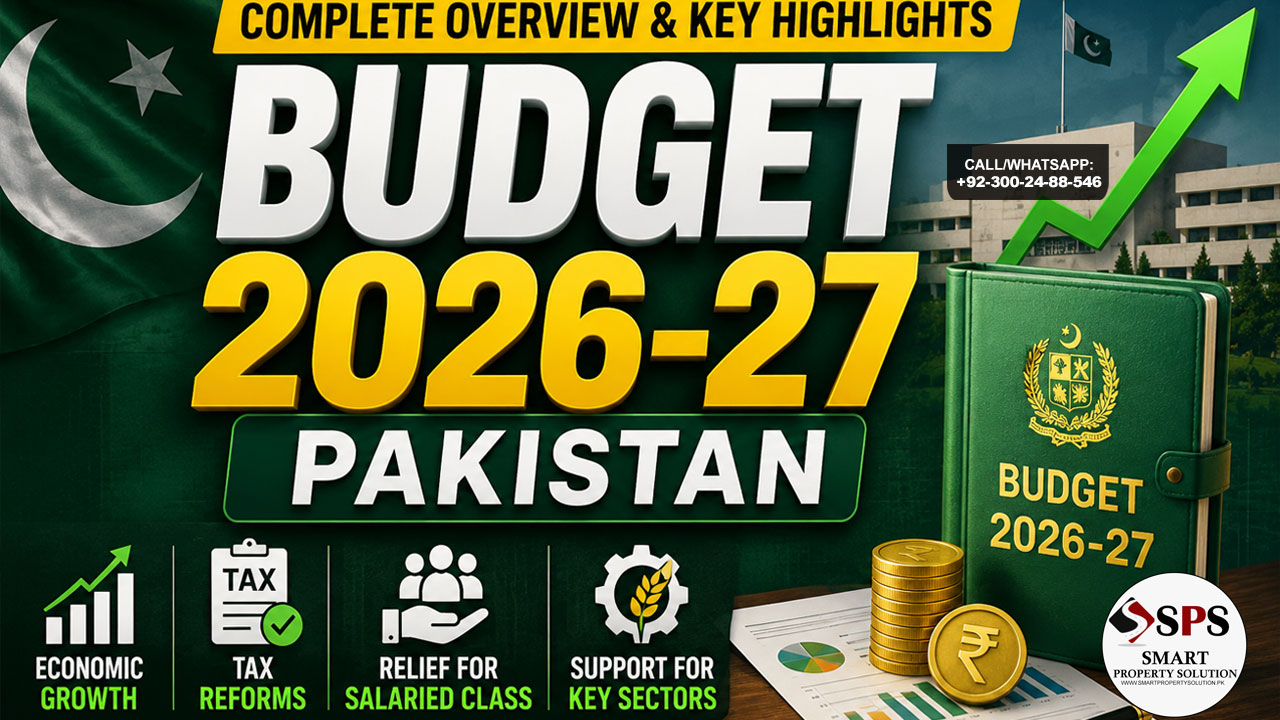
Budget 2026-27 Pakistan: What You Need to Know
The budget 2026-27 of Pakistan is one of the most anticipated financial plans, aimed at addressing economic challenges, controlling inflation, increasing revenue collection, and promoting sustainable growth. Presented by the federal government, the budget outlines the country’s expected income and expenditure for the fiscal year 2026-27 while introducing various tax reforms and development initiatives.
In this article, we will explore the major highlights of the budget 2026-27, its impact on businesses, salaried individuals, investors, and the overall economy of Pakistan.
Overview of Budget 2026-27
The budget 2026-27 focuses on strengthening Pakistan’s economic foundation through fiscal discipline, enhanced tax collection, and support for key sectors such as agriculture, industry, information technology, and infrastructure development.
Key objectives include:
- Reducing the fiscal deficit
- Increasing tax revenue
- Promoting exports
- Supporting economic growth
- Encouraging foreign investment
- Providing relief to the salaried class
- Expanding social welfare programs
Major Highlights of Budget 2026-27
1. Tax Reforms and Revenue Measures
One of the central features of the budget 2026-27 is the government’s effort to broaden the tax base. Authorities have proposed measures to improve tax compliance and reduce tax evasion.
Important tax-related initiatives include:
- Revision of income tax slabs
- Enhanced documentation of the economy
- Digital tax monitoring systems
- Increased penalties for non-compliance
- Incentives for tax filers
These measures aim to increase government revenue while creating a fairer taxation system.
2. Relief for Salaried Individuals
The government has announced several proposals to provide relief to salaried employees under the budget 2026-27. Adjustments in income tax rates and exemptions are expected to help middle-income earners cope with rising living costs.
Benefits may include:
- Reduced tax burden for lower-income groups
- Higher tax-free income thresholds
- Simplified tax filing procedures
3. Focus on Economic Growth
Economic growth remains a priority in the budget 2026-27. The government plans to invest heavily in infrastructure projects, transportation networks, and industrial development to create employment opportunities and stimulate business activity.
Growth-oriented measures include:
- Development of road networks
- Energy sector improvements
- Industrial support programs
- Public-private partnership initiatives
Impact on the Real Estate Sector
The real estate industry is closely monitoring the budget 2026-27 for changes related to property taxes, capital gains tax, withholding tax, and investment incentives.
Potential impacts include:
- Increased transparency in property transactions
- Measures to attract documented investments
- Support for affordable housing projects
- Simplified property taxation policies
These reforms could boost investor confidence and contribute to the growth of Pakistan’s property market.
Agriculture Sector in Budget 2026-27
Agriculture remains a critical pillar of Pakistan’s economy. The budget 2026-27 includes provisions to support farmers through subsidies, improved irrigation systems, and access to modern farming technologies.
Expected benefits:
- Enhanced agricultural productivity
- Lower production costs
- Improved food security
- Increased export potential
Support for IT and Technology
The technology sector continues to play an important role in Pakistan’s economic development. The budget 2026-27 aims to encourage innovation and digital transformation through:
- Tax incentives for IT companies
- Support for startups
- Investment in digital infrastructure
- Export promotion for technology services
These initiatives can help Pakistan strengthen its position in the global digital economy.
Inflation Control Measures
Managing inflation remains one of the government’s biggest challenges. The budget 2026-27 includes strategies designed to stabilize prices and protect consumers from rising costs.
Key measures include:
- Fiscal discipline
- Improved supply chain management
- Targeted subsidies
- Enhanced monitoring of essential commodities
Challenges Facing Budget 2026-27
Despite its ambitious goals, the budget 2026-27 faces several challenges:
- High public debt
- Inflationary pressures
- Revenue collection targets
- Global economic uncertainties
- Exchange rate fluctuations
Successful implementation of budget policies will be crucial to achieving long-term economic stability.
Conclusion
The budget 2026-27 represents a significant step toward economic reform and sustainable growth in Pakistan. Through tax reforms, infrastructure investments, support for businesses, and relief measures for citizens, the government aims to create a more resilient economy.
While challenges remain, the success of the budget 2026-27 will largely depend on effective implementation, improved governance, and continued efforts to attract investment. Businesses, investors, and individuals should closely monitor budget developments to understand how new policies may affect their financial decisions in the coming fiscal year. Contact for details and subscribe our youtube channel.